
Upper-intermediate speaking
Advice & Wisdom
Explore the advice we receive, the wisdom we remember and the guidance we choose to pass on.
1 · Discuss
Advice: what would you do?
Discuss each question, explain your reasons and compare your answers.
Round 1 · Start here
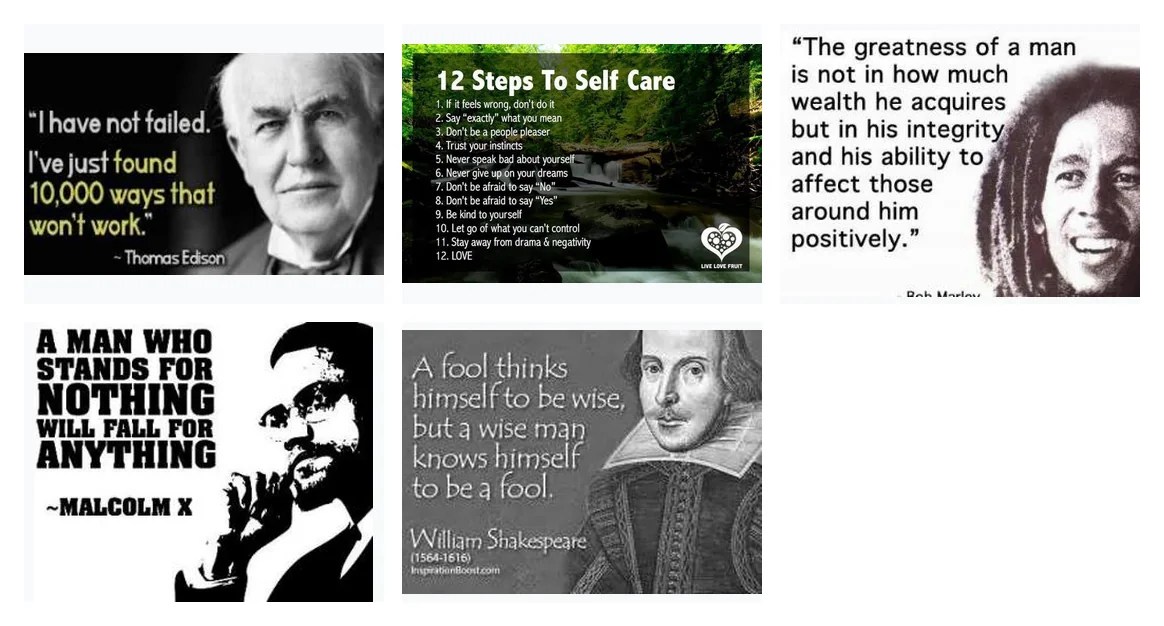
- Look at the next page, who are the people and do you agree with their advice and wisdom? Is there any wisdom you would add.
Round 2 · Share your experience
- What three pieces of advice will / would you give your children?
- Whose advice do you follow more, your parents’ or your friends’ advice?
- If you could give the leader of your country some advice, what would it be?
- If you could go back in time and give yourself some advice, what would you tell your younger self?
- Who was the wisest person in your country’s history? What kind of advice did he / she give? (your country or another country)
- Where do you go to get good advice?
Round 3 · Now it’s your turn to give some advice:
- What should I do to make more money?
- What are some things students should do to improve their English?
- How can I get more free time?
- What should people do when first meeting their boyfriend/girlfriend’s parents?
- What should someone do to be happy?
- Do you give a lot of advice to people, or do people give you a lot of advice?
2 · Compare
Advice or wisdom?
- Do you agree with these statements?
- Which pictures are advice which are wisdom?
3 · Reflect
Wisdom in practice
- Do you agree with these statements?
- What is the difference between advice and wisdom?
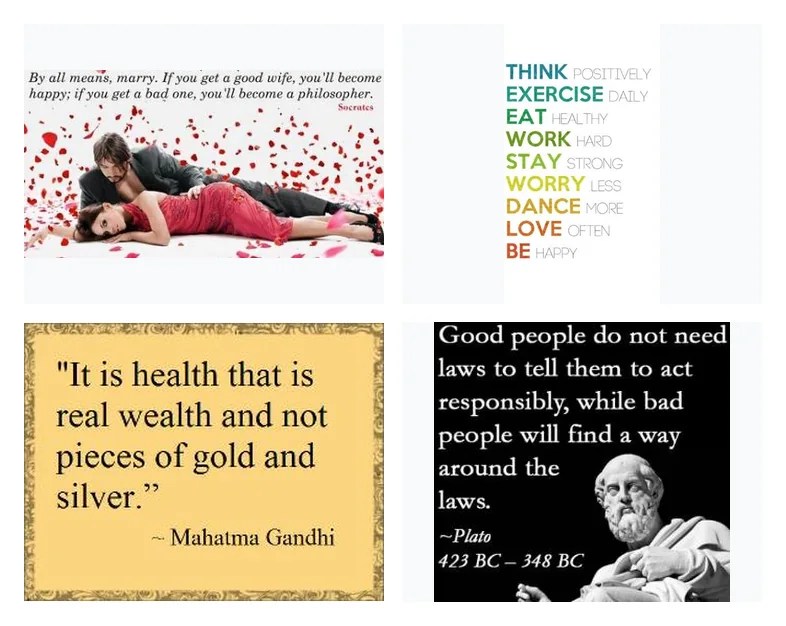
Speaking challenge: Choose one image you strongly agree with and one you would challenge. Give reasons and an example for each choice.
4 · Extend
Explore the ideas more deeply
Use these follow-up prompts after the main discussion. They turn the teacher notes into short, student-friendly thinking tasks.
Does advice always work?
“I have not failed. I’ve just found 10,000 ways that won’t work” encourages persistence.
Is persistence always helpful? What if a heart surgeon said this after repeated mistakes?
Choose and explain
Read the 12 steps to self-care. Which three would help you most, and which one would be hardest to follow?
Give a real example for each choice.
Wisdom and self-knowledge
The Dunning-Kruger effect describes a tendency for people with limited knowledge to overestimate what they know. More experienced people may be more aware of the limits of their knowledge.
How does this idea connect with the Shakespeare and Socrates quotations?
Can every problem be solved?
One view divides problems into small ones that may resolve themselves and large ones that may be beyond our power to fix.
When is taking action wise, and when is accepting a situation wiser?
Can people change?
Will negative people always be negative? Will positive people always be positive? In what ways are laws similar to advice?
Advice in real life
Think of a recent situation when you asked for advice. Who did you ask, what did they suggest, and did you follow it?
Writing extension
Some people believe that wisdom comes only through direct experience. Others believe that it is necessary to learn through books. How much do you agree or disagree with each view?